

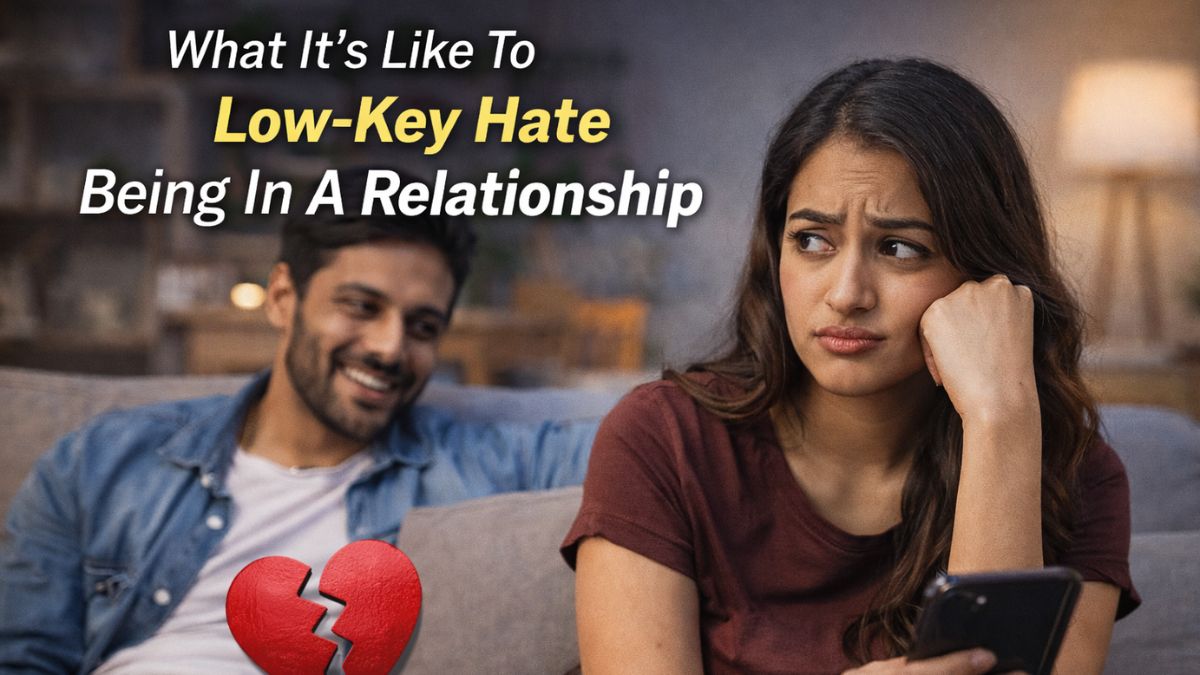
Being in a relationship is often portrayed as this magical, flawless experience. Movies, social media, and even casual conversations paint love as an endless stream of laughter, support, and shared adventures. But what happens when reality doesn’t match that picture-perfect narrative? What if you find yourself quietly resenting aspects of your relationship, even when you genuinely care about your partner? That’s the paradox of low-key hating being in a relationship — feeling conflicted emotions that you’re too scared or ashamed to admit.
Many people experience this at some point in their romantic lives, but it’s rarely discussed openly. The idea of not enjoying your relationship can trigger feelings of guilt, self-doubt, and fear of judgment. You might think, “If I truly loved them, I wouldn’t feel this way,” but that’s a misunderstanding of human emotions. Relationships are complex, and it’s entirely possible to care for someone deeply while struggling with dissatisfaction or frustration.
The Subtle Signs You’re Not Happy
Low-key hating your relationship isn’t always about grand arguments or toxic behavior. Often, it’s a quiet, persistent feeling of discomfort that creeps into your daily life. You might notice yourself making excuses to avoid spending time together or feeling exhausted after interactions that should feel energizing. Simple routines like texting, going out, or even watching a movie together can start to feel like obligations rather than enjoyable moments.
Another common sign is a persistent feeling of restlessness. You may find yourself daydreaming about being single, imagining what life would be like without the relationship, or secretly comparing your situation to others’ seemingly happier partnerships. While it’s normal to occasionally fantasize about freedom, constant preoccupation with this idea may indicate underlying dissatisfaction.
Communication also becomes strained when you low-key dislike being in a relationship. You might catch yourself being sarcastic, distant, or indifferent toward your partner. Conversations may feel mechanical, and conflicts may arise more frequently over minor issues. Even if you try to mask these feelings with humor or avoidance, the emotional disconnect slowly becomes harder to ignore.
Why People Stay in Relationships They Don’t Enjoy
One of the most confusing aspects of low-key disliking your relationship is staying in it despite your unhappiness. There are many reasons why people choose to remain in partnerships that no longer fulfill them. Fear of being alone is perhaps the most common. Society often equates singlehood with failure or loneliness, which can make the idea of leaving feel intimidating, even when it’s the healthier choice.
Another reason is emotional investment. You may have spent years building memories, sharing milestones, and intertwining your life with your partner’s. Walking away feels like abandoning a part of yourself or wasting all that effort. Guilt also plays a role; you may fear hurting your partner or being judged by friends and family if you end the relationship.
Financial, social, or logistical factors can contribute as well. Couples often share homes, bills, or social circles, making separation complicated. Even if both partners recognize the issues, practical challenges can make staying together the path of least resistance.
The Emotional Rollercoaster of Low-Key Resentment
Hating your relationship quietly doesn’t mean you feel angry or hateful all the time. Instead, it manifests as a subtle emotional rollercoaster. There are moments of joy and affection, followed by waves of irritation, doubt, or boredom. This inconsistency can be confusing, making you question whether the problem lies in your partner, the relationship itself, or your own mindset.
Over time, low-key resentment can slowly erode your sense of self. You may start suppressing your true feelings to keep the peace, ignoring your own needs to maintain harmony. This emotional suppression can lead to stress, anxiety, and even physical health issues like fatigue or insomnia. It’s a silent burden, one that can quietly weigh down your daily life if not addressed.
Interestingly, these feelings often coexist with genuine love or care for your partner. You may still admire their qualities, appreciate their support, or feel protective of them. This duality — loving someone while resenting the relationship — is what makes low-key dissatisfaction so challenging to navigate.
Recognizing the Difference Between Temporary Frustration and Persistent Discontent
It’s important to differentiate between normal relationship frustrations and chronic unhappiness. Every relationship has moments of tension, misunderstandings, and personal differences. Feeling irritated after an argument or frustrated by your partner’s habits doesn’t necessarily mean you hate the relationship.
Persistent discontent, on the other hand, goes beyond occasional annoyances. You consistently feel unfulfilled, drained, or disconnected, even during peaceful moments. Your desire for distance, thoughts about leaving, or lack of enthusiasm for shared activities signals a deeper issue. Recognizing this distinction is the first step toward understanding your emotions and making intentional decisions about your relationship.
The Role of Communication in Addressing Low-Key Dislike
Open communication is the most effective tool for addressing feelings of dissatisfaction. While it may be uncomfortable, expressing your emotions honestly allows both partners to understand each other better. You don’t have to frame it as “I hate you” or “I want out.” Instead, focus on sharing your experiences and needs: how certain patterns affect your happiness, what makes you feel disconnected, and what you wish could change.
Healthy communication can lead to positive transformations. Couples therapy, for example, offers a structured space to explore these feelings without judgment. It helps both partners identify patterns, recognize unspoken expectations, and develop strategies to reconnect. Even small changes, like dedicating quality time, improving mutual respect, or rediscovering shared interests, can make a significant difference.
Self-Reflection: Understanding Your Needs
Sometimes, low-key resentment stems from personal needs being unmet. Reflecting on your own desires, values, and boundaries is essential. Ask yourself questions like: Am I compromising too much? Am I neglecting personal growth for the sake of the relationship? Do I feel seen, respected, and appreciated?
Self-reflection also helps clarify whether the issues are temporary or fundamental. If your unhappiness is tied to external stressors, lifestyle changes, or temporary challenges, working through them with your partner may be sufficient. However, if your discontent is rooted in mismatched values, goals, or emotional compatibility, you may need to consider more significant changes.
Coping Mechanisms for Emotional Strain
Managing the emotional strain of low-key hating your relationship requires a balance of self-care and honest evaluation. Prioritize activities that bring you joy and reduce stress, whether it’s exercising, journaling, connecting with friends, or pursuing hobbies. Maintaining your individuality ensures you don’t lose sight of your personal identity within the relationship.
Setting boundaries is equally important. You don’t have to sacrifice your mental health or happiness for the sake of staying together. Communicate your limits respectfully, and recognize when certain patterns or behaviors are negatively impacting you.
At the same time, practice empathy. Acknowledge your partner’s perspective and feelings. Relationships are a shared journey, and understanding each other’s emotional landscape helps avoid unnecessary blame or resentment.
Making Tough Decisions
Ultimately, if low-key dissatisfaction persists despite reflection and effort, it may signal the need for tough decisions. Ending a relationship is never easy, and it often involves grief, guilt, and uncertainty. But staying in a partnership that consistently drains you can be equally damaging.
Leaving doesn’t mean failure or lack of love; it means prioritizing your well-being and personal growth. Sometimes, separation allows both partners to find fulfillment elsewhere, fostering healthier relationships in the future. Approaching the decision with honesty, compassion, and clarity ensures that you make choices that align with your long-term happiness.
Embracing Emotional Honesty
Low-key hating being in a relationship is a complex, often contradictory experience. It challenges societal expectations, personal guilt, and the illusion of perfect love. But embracing emotional honesty is liberating. Acknowledging your true feelings, whether they involve frustration, boredom, or disconnection, is the first step toward meaningful change.
Whether that change involves repairing the relationship, setting boundaries, or choosing to part ways, emotional honesty allows you to live authentically. It reminds us that relationships, like individuals, are dynamic and evolving. Accepting this reality fosters self-awareness, empathy, and, ultimately, healthier connections — with others and with yourself.
Conclusion
Quietly disliking your relationship doesn’t make you a bad person or a poor partner. It’s a natural reflection of the complexity of human emotions. Recognizing low-key resentment, exploring its origins, and addressing it with honesty and care are essential steps toward personal and relational growth. Relationships are not about perfection; they’re about connection, understanding, and mutual fulfillment. And sometimes, acknowledging that a relationship isn’t meeting your needs is the bravest, most loving thing you can do — both for yourself and for your partner.
Being in a relationship doesn’t always feel magical, and that’s okay. Accepting that reality allows us to navigate love with clarity, self-respect, and a deeper understanding of what truly matters in connection and companionship.
FAQs
Q1: Is it normal to sometimes dislike being in a relationship?
A1: Yes, occasional frustration or dissatisfaction is normal; it doesn’t mean you don’t care about your partner.
Q2: How can I tell if my unhappiness is temporary or serious?
A2: Reflect on your feelings over time—if discontent persists despite communication and effort, it may indicate a deeper issue.
Q3: What’s the best way to handle low-key hatred in a relationship?
A3: Honest self-reflection and open, respectful communication with your partner can help clarify feelings and guide decisions.