
There is something undeniably comforting about flowers. Whether they are gifted during moments of joy or placed quietly in a room to brighten a dull corner, flowers have a unique way of influencing how we feel. But beyond their beauty and fragrance, psychologists suggest that the colors of flowers we choose may have a deeper impact on our mental health. The hues that naturally attract us are not random preferences; they often reflect our emotional needs and can even shape our psychological state.
In recent years, the relationship between color psychology and emotional well-being has gained increasing attention. Experts now believe that the colors of flowers—especially warm and cool tones—can subtly influence mood, stress levels, and overall mental clarity. Understanding this connection can help us make more mindful choices that support emotional healing and balance.
Understanding Color Psychology in Everyday Life
Color psychology is the study of how different colors affect human behavior and emotions. It has long been used in art, marketing, and interior design, but its role in mental health is now becoming more widely recognized. Every color carries a certain energy and emotional association, often rooted in both biological responses and cultural meanings.
When applied to flowers, this concept becomes even more powerful. Flowers are not just visual stimuli; they are living elements of nature that bring a sense of calm and grounding. Combining the natural benefits of flowers with the psychological impact of color creates a unique therapeutic effect. This is why simply placing a bouquet in your room can change the atmosphere and, in turn, your mood.
Warm-Toned Flowers and Their Role in Easing Depression
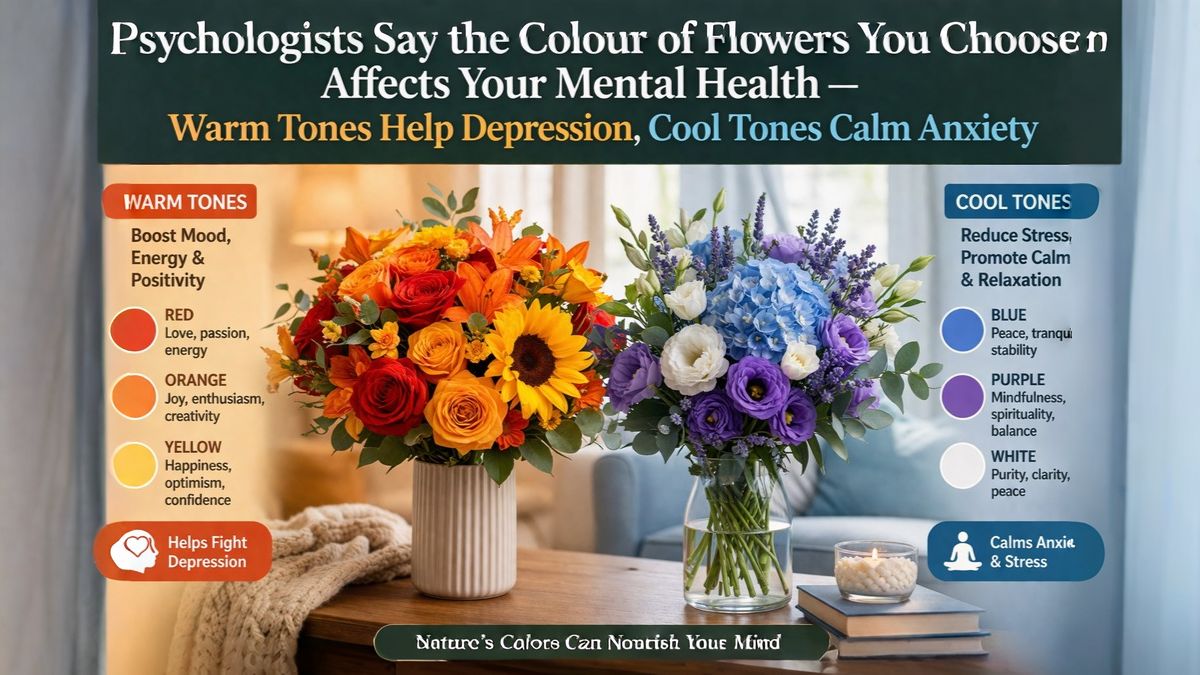
Warm colors such as red, orange, and yellow are often associated with energy, warmth, and positivity. Psychologists suggest that these colors can play a significant role in lifting mood and combating feelings of depression. When someone is experiencing low energy, sadness, or a lack of motivation, warm-toned flowers can act as gentle emotional stimulants.
Red flowers, for instance, are linked to passion and vitality. They can evoke a sense of strength and encourage emotional expression. Orange flowers bring a feeling of enthusiasm and creativity, often helping to break the monotony of negative thoughts. Yellow flowers, commonly associated with sunshine and happiness, can introduce a sense of optimism and hope into a person’s environment.
These colors work by stimulating the brain and increasing feelings of warmth and comfort. For individuals dealing with depressive symptoms, even small visual cues like a bright bouquet on a desk or bedside table can create a subtle shift in emotional state. Over time, these small changes can contribute to a more positive outlook.
Cool-Toned Flowers and Their Calming Effect on Anxiety
While warm tones energize, cool tones such as blue, purple, and green are known for their calming and soothing qualities. Psychologists often recommend these colors for individuals experiencing anxiety, stress, or emotional overwhelm. Cool-toned flowers can help create a peaceful environment that encourages relaxation and mental clarity.
Blue flowers are particularly effective in reducing anxiety. They are often associated with the sky and the ocean, both of which evoke a sense of vastness and tranquility. This connection can help slow down racing thoughts and promote a feeling of calm. Purple flowers, often linked to introspection and spirituality, can encourage a deeper sense of inner peace and emotional balance.
Green, although not always the primary color of flowers, plays an important role through foliage and natural surroundings. It represents growth, renewal, and harmony. Being around green elements has been shown to reduce stress and improve overall well-being, making it an essential part of any calming floral arrangement.
Why Your Flower Choices Reflect Your Emotional Needs
Interestingly, the flowers and colors we are naturally drawn to often mirror our internal emotional state. Someone who feels drained or low may instinctively choose bright, warm-colored flowers as a way to seek energy and positivity. On the other hand, a person experiencing stress or anxiety may prefer cooler tones that offer comfort and relaxation.
This intuitive selection process highlights the deep connection between our subconscious mind and our environment. Without realizing it, we often use visual elements like flowers to regulate our emotions. Psychologists believe that becoming more aware of these preferences can help individuals better understand their mental state and make more intentional choices for self-care.
The Therapeutic Power of Nature and Flowers
Beyond color, flowers themselves have inherent therapeutic qualities. Being in contact with nature has long been associated with reduced stress, improved mood, and enhanced cognitive function. Flowers bring a piece of nature indoors, allowing individuals to experience these benefits even in urban or indoor settings.
The act of arranging flowers, caring for them, or simply observing them can serve as a form of mindfulness. It encourages people to slow down, focus on the present moment, and appreciate simple beauty. When combined with the right color choices, this experience becomes even more impactful, offering both visual and emotional healing.
Incorporating Flower Colors Into Daily Life
Bringing the benefits of flower color psychology into daily life does not require significant effort. Simple changes, such as placing warm-toned flowers in areas where you need motivation or cool-toned flowers in spaces meant for relaxation, can make a noticeable difference.
For example, a workspace can benefit from yellow or orange flowers to boost creativity and energy. A bedroom or meditation space, on the other hand, may feel more peaceful with blue or purple flowers. Even small arrangements can influence the atmosphere of a room and, in turn, affect how you feel throughout the day.
Consistency is key. Regularly surrounding yourself with colors that support your emotional needs can help maintain balance and improve overall mental well-being.
The Science Behind Color and Emotional Response
The impact of color on emotions is not just a psychological theory; it also has a biological basis. Colors are processed by the brain in ways that can influence hormone levels, heart rate, and even neural activity. Warm colors tend to increase stimulation and energy, while cool colors promote relaxation and calmness.
This physiological response explains why certain colors can have such a noticeable effect on mood. When applied thoughtfully through elements like flowers, this knowledge becomes a powerful tool for enhancing mental health. It bridges the gap between science and everyday life, making emotional well-being more accessible.
A Gentle Approach to Emotional Healing
While flowers and their colors are not a substitute for professional mental health treatment, they can serve as a supportive and complementary approach. Small, intentional changes in one’s environment can create a sense of comfort and control, which is especially valuable during challenging times.
The beauty of using flowers lies in their simplicity. They do not require complex routines or significant effort, yet they offer meaningful emotional benefits. By choosing colors that align with your needs—warm tones for lifting your mood and cool tones for calming your mind—you can create a nurturing environment that supports your mental health journey.
Conclusion: Let Nature and Color Guide Your Well-Being
The idea that the colors of flowers can influence mental health may seem subtle, but its impact can be profound. Warm tones bring energy and hope to those struggling with depression, while cool tones offer peace and stability to those dealing with anxiety. Together, they provide a natural and accessible way to support emotional balance.
In a world that often feels fast-paced and overwhelming, turning to something as simple as flowers can be a powerful act of self-care. By paying attention to the colors you surround yourself with, you can create a space that not only looks beautiful but also feels emotionally supportive. Sometimes, healing begins with the smallest choices—and a single flower can be the start of that transformation.
FAQs
Q1. Can flower colors really affect mental health?
Yes, psychologists suggest that colors influence emotions, and flowers combine color with nature’s calming effects, enhancing mood and well-being.
Q2. Which flower colors are best for depression?
Warm tones like red, orange, and yellow are known to boost energy, positivity, and help ease symptoms of depression.
Q3. What colors help reduce anxiety?
Cool tones such as blue, purple, and green promote calmness, relaxation, and help soothe anxiety.