

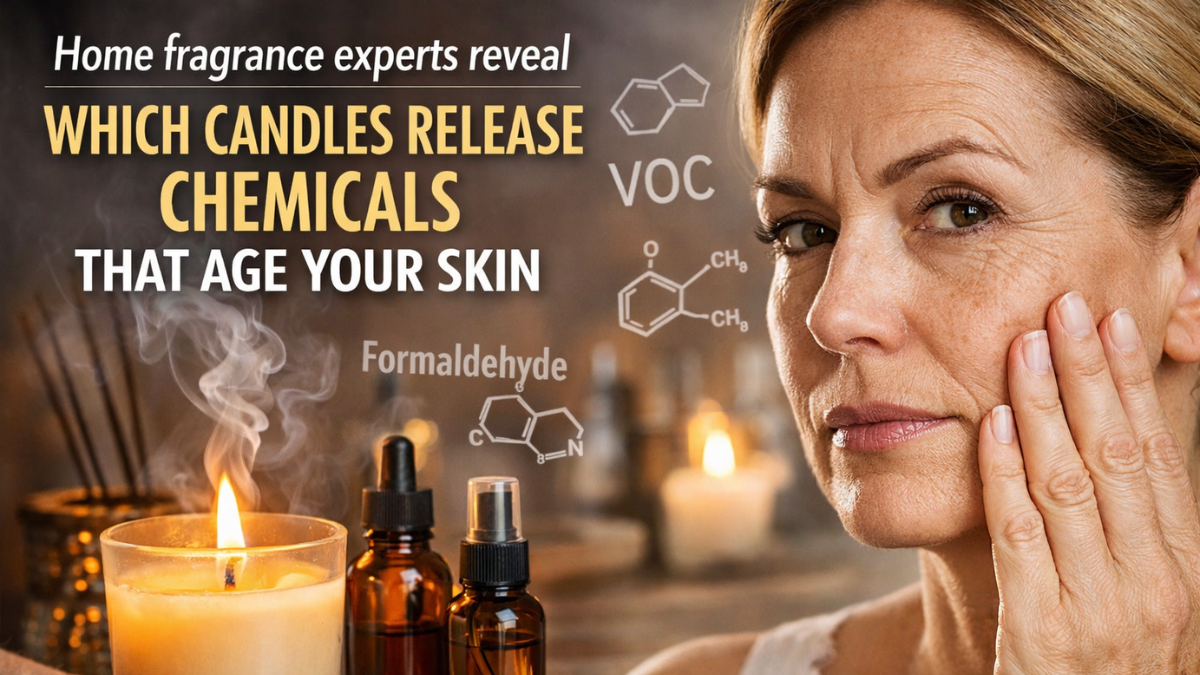
There is something undeniably comforting about lighting a candle at the end of a long day. The soft flicker of the flame, combined with soothing fragrances like lavender, vanilla, or sandalwood, can instantly transform a space into a cozy retreat. Many people rely on scented candles as part of their daily self-care routine, believing they promote relaxation and well-being. However, what if these seemingly harmless home essentials were doing more harm than good?
Home fragrance experts have recently raised concerns about certain types of candles that may release chemicals capable of accelerating skin aging. While the idea might sound surprising at first, the science behind it reveals that the air we breathe indoors can directly affect our skin’s health. This article explores how some candles may be contributing to premature aging and what you can do to protect yourself without giving up the ambiance you love.
Understanding What’s Inside Your Candle
To fully grasp the issue, it’s important to look at what goes into making a candle. Most conventional candles are made from paraffin wax, a byproduct of petroleum refining. While paraffin is widely used due to its affordability and ability to hold fragrance well, it can release potentially harmful compounds when burned.
In addition to the wax, candles often contain synthetic fragrances and chemical additives designed to enhance scent throw and longevity. When these ingredients are heated, they can emit volatile organic compounds (VOCs) into the air. These VOCs include substances like benzene and toluene, which are known to affect indoor air quality.
Although the levels of these chemicals may be relatively low in occasional use, frequent exposure in poorly ventilated spaces can accumulate over time. This is where the connection between candles and skin aging begins to emerge.
How Indoor Air Pollution Affects Your Skin
Most people associate skin aging with sun exposure, poor diet, or lack of skincare. However, environmental factors, particularly air pollution, play a significant role as well. When harmful particles and chemicals are present in the air, they can settle on the skin and penetrate its outer barrier.
These pollutants generate free radicals, unstable molecules that damage skin cells and break down collagen. Collagen is essential for maintaining skin elasticity and firmness. As it deteriorates, the skin begins to show signs of aging such as wrinkles, fine lines, and sagging.
When candles release VOCs into the air, they contribute to indoor pollution, creating an environment that may accelerate this process. Over time, consistent exposure can lead to dullness, uneven skin tone, and a weakened skin barrier.
The Role of Synthetic Fragrances
One of the main culprits behind potentially harmful candles is synthetic fragrance. While these fragrances are designed to mimic natural scents, they are often composed of dozens of chemical compounds. Manufacturers are not always required to disclose the exact ingredients used, which makes it difficult for consumers to assess their safety.
When burned, synthetic fragrances can release allergens and irritants into the air. These substances can trigger inflammation in the skin, a key factor in premature aging. Chronic inflammation weakens the skin’s natural defenses, making it more susceptible to environmental damage.
For individuals with sensitive skin, the effects can be even more pronounced. Redness, irritation, and dryness may appear, further compromising the skin’s ability to maintain a youthful appearance.
Paraffin Wax vs. Natural Alternatives
Paraffin wax candles are among the most commonly used, but they are also the most frequently criticized by experts. When burned, paraffin can produce soot and release small amounts of toxic compounds. This soot can settle on surfaces, including your skin, contributing to clogged pores and irritation.
On the other hand, natural waxes such as soy, beeswax, and coconut wax are often considered safer alternatives. These materials burn more cleanly and produce fewer pollutants. Beeswax, in particular, is known for its ability to help purify the air by releasing negative ions that can bind to pollutants and remove them from the environment.
Switching to natural candles may not completely eliminate exposure to airborne chemicals, but it can significantly reduce the risk compared to traditional paraffin-based options.
The Impact of Candle Wicks and Additives
Another factor that often goes unnoticed is the candle wick. Some wicks are treated with chemicals or contain metal cores to keep them upright. Although many countries have regulations in place to limit harmful materials, not all candles meet the same standards.
When a candle burns, the wick contributes to the overall emissions released into the air. Combined with the wax and fragrance, it can create a mixture of particles that affect indoor air quality. Over time, repeated exposure to these emissions can contribute to oxidative stress in the skin, a major driver of aging.
Additionally, certain candles contain dyes and preservatives that may release further compounds when heated. While these additives enhance the visual appeal of candles, they may not always be beneficial for your health or your skin.
Why Skin Aging Isn’t Always Immediate
One of the reasons this issue often goes unnoticed is that the effects are not immediate. Unlike a sunburn or allergic reaction, the impact of indoor pollutants develops gradually. You may not realize that your daily candle habit is contributing to subtle changes in your skin over months or even years.
Fine lines may appear earlier than expected, or your skin may start to lose its natural glow. While these changes can be attributed to many factors, consistent exposure to airborne chemicals can play a supporting role.
This delayed effect makes it even more important to be mindful of the products you use in your home environment. Prevention is always easier than trying to reverse damage later on.
Creating a Safer Home Fragrance Routine
The good news is that you don’t have to give up candles entirely to protect your skin. By making a few thoughtful choices, you can continue to enjoy your favorite scents while minimizing potential risks.
Choosing candles made from natural waxes is a great first step. Look for products labeled as soy, beeswax, or coconut wax, and opt for those with cotton or wood wicks that are free from metal cores.
Ventilation is another key factor. Burning candles in a well-ventilated room helps disperse any chemicals released into the air, reducing their concentration. Opening a window or using an air purifier can make a noticeable difference.
Limiting burn time can also help. Instead of keeping a candle lit for hours, consider shorter sessions to reduce prolonged exposure. This simple adjustment can significantly lower the amount of pollutants in your indoor environment.
The Importance of Reading Labels
Being an informed consumer is one of the most effective ways to protect your health. Take the time to read candle labels and research brands that prioritize transparency and safety.
Look for terms like “phthalate-free” and “non-toxic,” which indicate that the product is free from certain harmful chemicals. While these labels are not always regulated, they can provide a useful starting point when choosing safer options.
Supporting brands that use natural essential oils instead of synthetic fragrances can also make a difference. Essential oils not only provide pleasant scents but are generally less likely to release harmful compounds when used responsibly.
Balancing Comfort and Conscious Living
Candles have long been associated with comfort, relaxation, and personal rituals. They play an important role in creating a calming atmosphere, especially in today’s fast-paced world. However, as awareness grows about the impact of indoor air quality on overall health, it becomes clear that even small choices can have long-term effects.
The goal is not to create fear or eliminate enjoyment but to encourage more conscious living. By understanding the potential risks and making informed decisions, you can strike a balance between ambiance and well-being.
Conclusion: A Gentle Shift Toward Healthier Choices
The idea that certain candles may contribute to skin aging might come as a surprise, but it highlights the broader connection between our environment and our health. From the wax and fragrance to the wick and additives, every component of a candle plays a role in what is released into the air we breathe.
While the effects may not be immediately visible, consistent exposure to harmful chemicals can gradually impact your skin’s health and appearance. By choosing cleaner alternatives, improving ventilation, and being mindful of usage, you can significantly reduce these risks.
In the end, creating a safe and soothing home environment is about making small, thoughtful changes. With the right approach, you can continue to enjoy the warm glow of candles without compromising your skin’s natural beauty and vitality.
FAQs
What types of candles are safest for your skin?
Candles made from natural waxes like soy, beeswax, or coconut wax are generally safer as they burn cleaner and release fewer harmful chemicals.
Can scented candles really cause skin aging?
Some scented candles may release pollutants and chemicals that contribute to skin damage over time, which can accelerate signs of aging.
How can I reduce the risks while using candles?
Use candles in well-ventilated spaces, limit burn time, and choose products labeled as non-toxic and free from synthetic fragrances.