

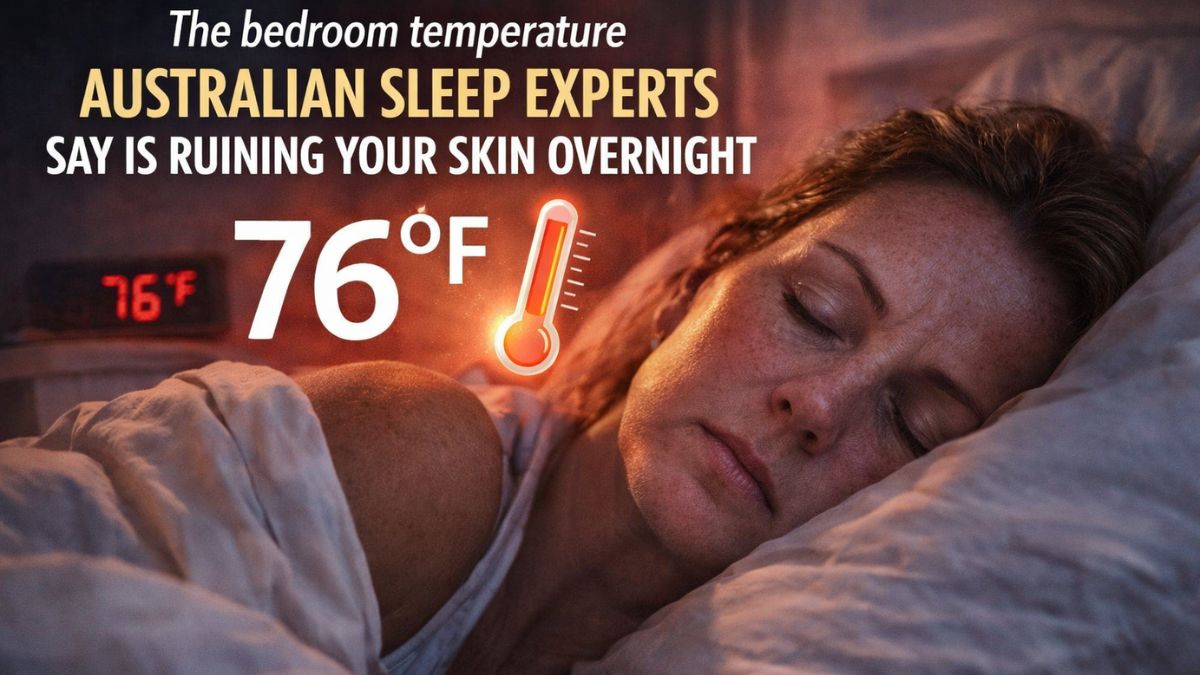
Most people invest time and effort into skincare routines, carefully selecting cleansers, serums, and moisturizers to maintain a healthy glow. However, one crucial factor often goes unnoticed—the temperature of your bedroom while you sleep. According to Australian sleep experts, the environment you rest in each night can have a direct and lasting impact on your skin.
While we sleep, the body enters a repair and regeneration phase. Skin cells renew, collagen production increases, and damage from daily exposure to pollution and stress begins to heal. But when the bedroom temperature is not ideal, this natural repair process can be disrupted. Over time, this disruption may lead to dryness, irritation, and even premature aging.
Understanding how temperature affects your skin overnight can help you make simple yet powerful changes that support both better sleep and healthier skin.
Why Temperature Matters During Sleep
Sleep is not just a period of rest; it is a time when the body works actively to restore itself. Core body temperature naturally drops as you fall asleep, signaling that it is time for deep, restorative rest. This cooling process is essential for maintaining quality sleep cycles.
When your bedroom is too warm or too cold, this delicate balance is disturbed. A room that is too hot can cause excessive sweating, while a room that is too cold can lead to dryness in the air. Both extremes can negatively affect your skin in different ways.
Australian sleep experts emphasize that maintaining a stable and comfortable room temperature is not only important for sleep quality but also for protecting your skin’s natural barrier.
The Effects of a Hot Bedroom on Your Skin
Sleeping in a warm or overheated room might feel cozy at first, but it can quietly contribute to skin problems over time. High temperatures often lead to increased sweating during the night. While sweating is a natural cooling mechanism, excessive perspiration can mix with bacteria and oils on the skin, clogging pores and causing breakouts.
In addition, sweating can disrupt the skin’s pH balance. When this balance is thrown off, the skin may become more prone to irritation and inflammation. Over time, repeated exposure to these conditions can weaken the skin’s protective barrier, making it more sensitive and reactive.
Another concern is dehydration. A hot environment can cause the body to lose moisture more rapidly, leaving the skin feeling dry and tight by morning. This lack of hydration can highlight fine lines and make the skin appear dull and tired.
The Hidden Impact of a Cold Bedroom
On the other hand, sleeping in a room that is too cold can also create problems for your skin. Cold air typically holds less moisture, which can lead to a dry indoor environment. This dryness can strip the skin of its natural oils, leaving it vulnerable to flaking, redness, and irritation.
When the skin loses moisture overnight, it struggles to maintain its elasticity. This can make fine lines more noticeable and give the skin a rough texture. For individuals with sensitive or already dry skin, the effects can be even more pronounced.
Additionally, cold temperatures can reduce blood circulation to the skin. Proper circulation is essential for delivering oxygen and nutrients that support skin repair. When circulation slows down, the skin’s ability to regenerate is compromised, leading to a tired and uneven appearance.
The Ideal Bedroom Temperature for Healthy Skin
Experts suggest that the optimal bedroom temperature for sleep generally falls between 16 to 20 degrees Celsius. This range supports the body’s natural cooling process and helps maintain a comfortable environment for both sleep and skin health.
At this temperature, the body can regulate itself more effectively, reducing the likelihood of sweating or excessive dryness. The skin is better able to retain moisture, repair itself, and maintain its natural balance.
Creating this ideal environment does not necessarily require expensive equipment. Simple adjustments such as using breathable bedding, adjusting your thermostat, or improving ventilation can make a significant difference.
How Humidity Plays a Role
Temperature and humidity often go hand in hand when it comes to skin health. Even if the temperature is within a comfortable range, low humidity levels can still lead to dryness. Similarly, high humidity combined with warmth can create a sticky environment that encourages breakouts.
Maintaining a balanced level of humidity helps the skin stay hydrated and resilient. When the air contains enough moisture, it supports the skin’s natural barrier and prevents excessive water loss.
Using a humidifier during colder months or ensuring proper airflow during warmer seasons can help create a more balanced indoor climate. This not only benefits your skin but also improves overall comfort while sleeping.
Nighttime Skin Repair and Temperature Disruption
During the night, the skin works harder to repair damage caused by environmental stressors such as pollution and UV exposure. This process relies on stable conditions that allow the body to function efficiently.
When the bedroom temperature fluctuates or remains outside the ideal range, the skin’s repair mechanisms can be interrupted. For example, frequent waking due to discomfort can reduce the amount of deep sleep you get. Since deep sleep is when most cellular repair occurs, any disruption can slow down the healing process.
Over time, this can lead to visible signs such as uneven skin tone, reduced elasticity, and a lack of radiance. Ensuring a consistent and comfortable temperature helps the skin perform its natural overnight restoration more effectively.
The Connection Between Sleep Quality and Skin Appearance
There is a strong relationship between how well you sleep and how your skin looks. Poor sleep quality has been linked to increased stress levels, which can trigger inflammation in the body. This inflammation can show up on the skin as redness, acne, or sensitivity.
When the bedroom temperature is not suitable, it can lead to restless sleep and frequent interruptions. Even if you spend enough time in bed, the quality of your sleep may be compromised. This can result in dark circles, puffiness, and a dull complexion.
By optimizing your sleep environment, including temperature, you can support both better rest and healthier-looking skin. It is a simple yet effective way to enhance your overall well-being.
Practical Ways to Improve Your Sleep Environment
Improving your bedroom temperature does not have to be complicated. Start by observing how your body feels when you wake up. If you notice sweating, dryness, or discomfort, it may be a sign that your room temperature needs adjustment.
Choosing lightweight, breathable fabrics for your bedding can help regulate body temperature throughout the night. Materials like cotton or linen allow better airflow and reduce the chances of overheating.
Proper ventilation is equally important. Opening a window or using a fan can help circulate fresh air and maintain a consistent temperature. During colder months, layering blankets instead of increasing room heat can provide warmth without drying out the air.
Small changes like these can create a more balanced environment that supports both restful sleep and skin health.
The Role of Skincare in Different Temperatures
While adjusting your bedroom environment is essential, your skincare routine can also play a supportive role. In warmer conditions, using lightweight, non-comedogenic products can help prevent clogged pores.
In colder or drier conditions, switching to richer moisturizers can help lock in hydration and protect the skin barrier. Applying a hydrating serum before bed can further support overnight repair.
The key is to adapt your routine based on your environment. By aligning your skincare with your bedroom conditions, you can enhance the benefits of both.
Long-Term Benefits of the Right Sleep Environment
Creating an ideal sleep environment is not just about immediate comfort; it has long-term benefits for your skin and overall health. Consistently maintaining the right temperature can help prevent chronic dryness, reduce breakouts, and slow down the appearance of aging.
Over time, you may notice improvements in your skin’s texture, tone, and elasticity. These changes are often subtle at first but become more noticeable with consistent care.
Beyond skin health, better sleep also supports mental clarity, mood stability, and physical well-being. It is a holistic approach that benefits multiple aspects of your life.
Conclusion: Small Changes, Big Impact
The temperature of your bedroom may seem like a minor detail, but it plays a significant role in how your skin looks and feels. As Australian sleep experts highlight, an environment that is too hot or too cold can interfere with the body’s natural processes, leading to long-term effects on skin health.
By understanding the connection between temperature, sleep, and skin, you can take simple steps to create a more supportive environment. Adjusting your room temperature, managing humidity, and choosing the right bedding can all contribute to healthier, more radiant skin.
In the end, achieving glowing skin is not just about what you apply on the surface. It is also about the environment you create for your body to rest and recover. With a few mindful changes, you can wake up not only feeling refreshed but also looking your best.
FAQs
What is the ideal bedroom temperature for healthy skin?
The ideal range is around 16–20°C, which supports better sleep and helps maintain skin hydration and repair.
Can a hot bedroom cause skin problems overnight?
Yes, excessive heat can lead to sweating, clogged pores, dehydration, and irritation, affecting skin health.
Does a cold room dry out your skin?
Yes, cold air can reduce moisture levels, leading to dryness, flaking, and a weakened skin barrier.