


In recent years, skincare professionals in Australia have begun strongly recommending the use of higher SPF sunscreens, even during colder months. Traditionally, many people associate sunscreen with summer, beaches, and intense sunlight. However, modern dermatology insights are challenging this belief, showing that harmful ultraviolet (UV) radiation does not disappear when temperatures drop. As a result, SPF 70 is increasingly being suggested as a more reliable shield against long-term skin damage.
Goodbye to Old Age Pension Rules: Stricter Eligibility Criteria Begin From 4th APRIL 2026
Rising UV Exposure and Environmental Changes
One of the main reasons behind this shift is the consistently high UV index in Australia throughout the year. Even in winter, UV rays can remain strong enough to penetrate the skin and cause damage. The ozone layer fluctuations and environmental changes have also contributed to increased UV exposure in certain regions.
What many people do not realize is that UV radiation is not directly related to heat. This means that even on cool or cloudy days, the sun’s rays can still reach the skin and trigger premature aging, pigmentation, and in severe cases, skin cancer. Dermatologists are therefore emphasizing that sun protection is not seasonal—it is a daily necessity.
The Myth of Winter Safety from the Sun
A widespread misconception is that winter sunlight is harmless. In reality, up to 80% of UV rays can pass through clouds, meaning overcast skies offer little protection. Additionally, surfaces like snow, water, and even sand can reflect UV rays back onto the skin, increasing overall exposure.
This misunderstanding often leads people to skip sunscreen during winter months. However, skin experts are now warning that this habit can accumulate long-term damage without any immediate visible signs. The effects often appear years later in the form of wrinkles, sunspots, and reduced skin elasticity.
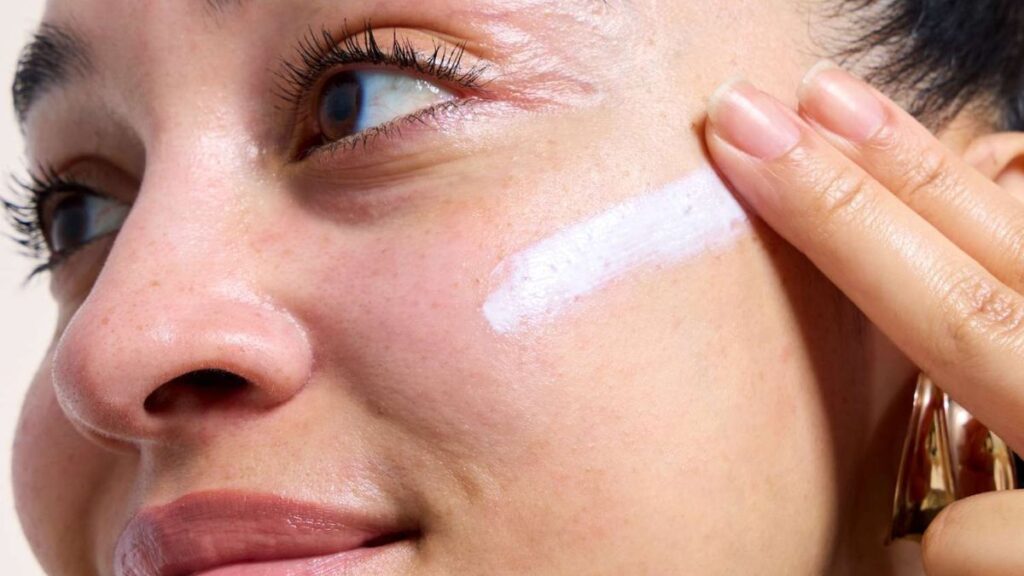
Why SPF 70 Is Becoming the Preferred Choice
Sun Protection Factor (SPF) measures how well a sunscreen protects against UVB rays, which are primarily responsible for sunburn. SPF 70 offers significantly higher protection compared to SPF 30 or SPF 50, blocking a greater percentage of harmful rays.
In countries like Australia, where UV intensity is among the highest in the world, dermatologists argue that the margin of protection matters. SPF 70 provides an added safety buffer, especially for individuals with fair skin, sensitive skin conditions, or a history of sun damage.
Moreover, modern sunscreen formulations with SPF 70 are designed to be lightweight, non-greasy, and suitable for daily wear. This has made it easier for people to incorporate high-level protection into their routine without discomfort.
Dermatologists’ Perspective on Daily Protection
Skin experts emphasize that sunscreen should be treated like a daily skincare essential rather than an occasional product. The cumulative effect of UV exposure is what causes most visible skin aging and damage.
Dermatologists also highlight that SPF 70 is not about replacing other sun-safe behaviors but enhancing them. Wearing hats, sunglasses, and protective clothing still plays a crucial role. However, sunscreen remains the last line of defense that directly protects the skin’s surface.
Another key point experts stress is reapplication. Even high SPF products lose effectiveness after several hours, especially when exposed to sweat, wind, or friction from clothing. Regular reapplication ensures consistent protection throughout the day.
Building Better Sun Protection Habits
The growing recommendation of SPF 70 is also about changing long-term habits. Many people underestimate the importance of sunscreen during routine activities like commuting, walking, or sitting near windows. UV rays can penetrate glass, meaning indoor exposure is also a concern.
Skin specialists encourage applying sunscreen every morning as part of a skincare routine, just like moisturizing or cleansing. This simple habit can significantly reduce the risk of premature aging and long-term skin conditions.
Conclusion
The increasing recommendation of SPF 70 sunscreen, even during winter, reflects a deeper understanding of how UV radiation affects the skin year-round. In places like Australia, where UV levels remain high throughout the year, dermatologists are prioritizing stronger and more consistent protection strategies. SPF 70 is not just a seasonal trend—it represents a proactive approach to long-term skin health. By adopting daily sunscreen use and maintaining consistent sun protection habits, individuals can significantly reduce skin damage and maintain healthier skin over time.
FAQs
Q1: Why use SPF 70 in winter?
A1: UV rays can still damage skin in winter, making high SPF crucial year-round.
Q2: Is SPF 70 safe for daily use?
A2: Yes, SPF 70 is safe and provides extra protection against harmful UV rays.
Q3: Can lower SPF work in winter?
A3: Lower SPF offers some protection, but experts recommend SPF 70 for optimal safety.