

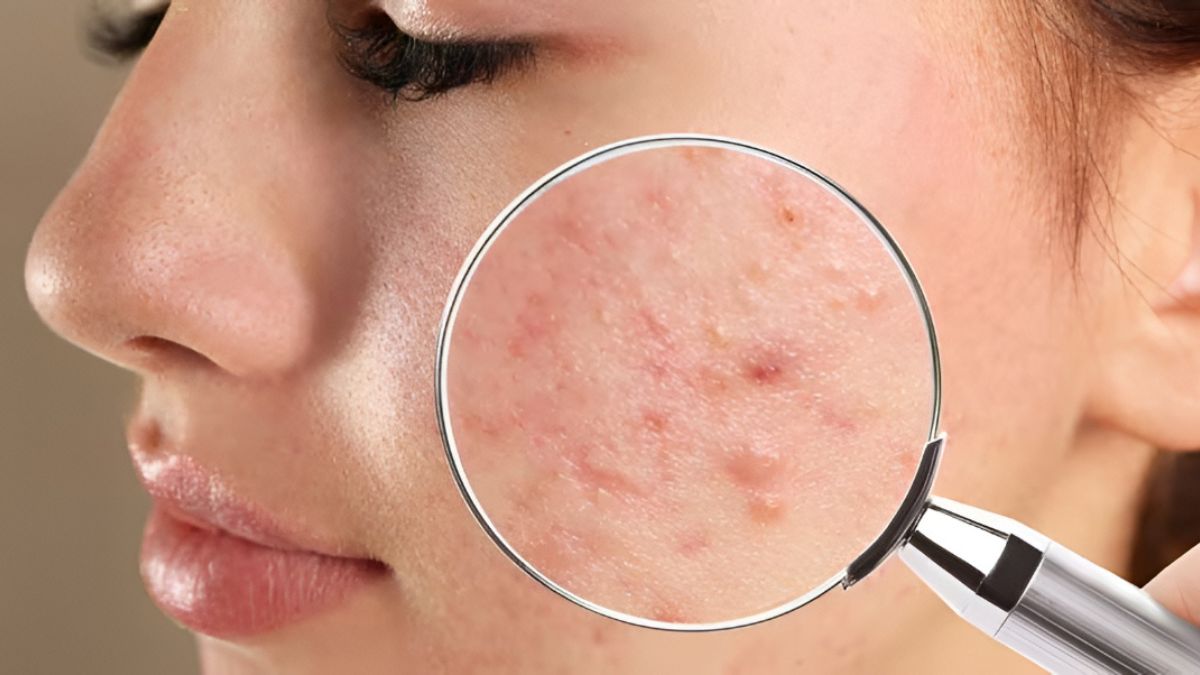
Before going to bed at night, you wash your face, apply toner, serum, and moisturizer—and drift off to sleep thinking that your skincare routine is complete. But did you know that the very pillow you rest your head upon plays a game with your skin throughout the night—a game you’ve likely never even considered? The American Academy of Dermatology (AAD)—one of the world’s largest and most prestigious dermatological organizations—has drawn special attention to the fact that your pillowcase can be a major, and often overlooked, cause of acne. In the United States alone, approximately 50 million people struggle with acne every year, and 85 percent of teenagers are affected by it. The root of this widespread problem lies not solely in hormones or genetics, but also in certain highly routine daily habits that harm the skin—foremost among them being dirty or infrequently changed pillowcases.
The Pillowcase: An Invisible Bacterial Farm
Everything a person encounters on their skin throughout the day—dust, sweat, pollution, sunscreen, makeup—accumulates on their pillow at night. But the story doesn’t end there. As you sleep, natural oils (sebum), sweat, and dead skin cells from your skin are continuously absorbed into the pillow fabric. This process unfolds ceaselessly over the course of eight long hours each night. When a pillowcase goes unchanged for several days, this accumulation creates an environment perfectly suited for the proliferation of bacteria. According to dermatologists, the specific bacterium most responsible for acne—known as Cutibacterium acnes (formerly Propionibacterium acnes)—thrives rapidly on dirty pillowcases. And when you sleep on that same pillow again, these bacteria transfer back onto your face, penetrate your pores, and trigger acne breakouts. Board-certified dermatologist Dr. Anna Chacon explains that a cotton pillowcase absorbs the face’s natural moisture and bacteria, and this grime continues to accumulate night after night—until the pillowcase is washed. Consider this: you diligently follow your skincare routine, yet all night long, you are battling against a pillow teeming with bacteria.

“Acne Mechanica”: When Friction and Pressure Cause Breakouts
In dermatology, a specific type of acne is known as “acne mechanica”—acne caused by heat, pressure, and friction. At night, your pillow can serve as the source of all three of these factors simultaneously. As you sleep and toss and turn, your face repeatedly rubs against the pillow. If the pillowcase fabric is coarse—such as standard cotton—this friction compromises the skin’s outer protective layer (the skin barrier). This leads to skin irritation and inflammation, and inflammation, in turn, exacerbates acne. For individuals who experience recurring acne on their cheeks—or specifically on one side of their face—and cannot figure out why it is happening, this could be a significant indication that their pillow is playing a role. If you sleep on your right side and experience more breakouts on your right cheek, the answer may very well lie within your pillowcase. Dermatologists also refer to this phenomenon as “sleep acne” or “pillowcase acne,” and it is just as real as hormonal or diet-related acne.
The Transfer of Hair Products and Skincare to Your Pillow

Another aspect that often goes unnoticed is that your hair, too, contributes to the contamination of your pillowcase. If you apply hair oils, pomades, hairsprays, or any heavy hair products, these substances inevitably transfer to your pillow while you sleep at night. Subsequently, these oils and chemicals clog the pores on your face—a phenomenon known as the “comedogenic” effect. Similarly, heavy night creams, retinol serums, or hydrating masks applied before bed—if not fully absorbed by the skin—can also transfer to the pillow and then back onto your face, potentially leading to clogged pores. Dermatologists refer to this process as “product transfer.” There is a straightforward solution to this problem: individuals who use heavy hair oils should sleep wearing a bonnet or a silk scarf to prevent the oil from reaching the pillow.
The Hidden Danger of Detergents: When Washing Itself Causes Harm
You might be surprised to learn that it is not just a dirty pillow but also a pillow washed improperly that can cause damage to your skin. Many laundry detergents available on the market contain fragrances and dyes that can linger in the fabric even after washing. When these chemicals come into constant contact with your sensitive skin, they can trigger “contact dermatitis”—an inflammatory skin reaction—which often resembles acne in appearance or exacerbates existing acne conditions. For this reason, dermatologists recommend washing pillowcases in hot water using only fragrance-free and hypoallergenic detergents. This simple precaution can prevent significant skin problems—a point frequently emphasized by the AAD and skincare experts. It is not merely a matter of cleanliness—it is a matter of skin health.
How Often Should You Change Your Pillowcase—And Why It’s So Important
Dermatologists’ advice is clear: you should change your pillowcase at least once a week. However, if you have oily skin or are already prone to acne, changing it every 2 to 3 days is ideal. This might sound quite frequent, but when you consider that a fresh layer of oils, sweat, and bacteria from your skin accumulates on that pillow every single night, this frequency makes perfect sense. A practical tip is to purchase several pillowcases at once so that the cycle of washing and rotating them runs smoothly. If you have recently started experiencing persistent acne on your cheeks or on one side of your face—and your skincare routine is otherwise sound—the very first thing you should check is your pillowcase cleaning schedule; this should be your initial step. This advice is so simple and inexpensive that there is absolutely no reason to ignore it.
Silk or Satin: Why Dermatologists Recommend Them
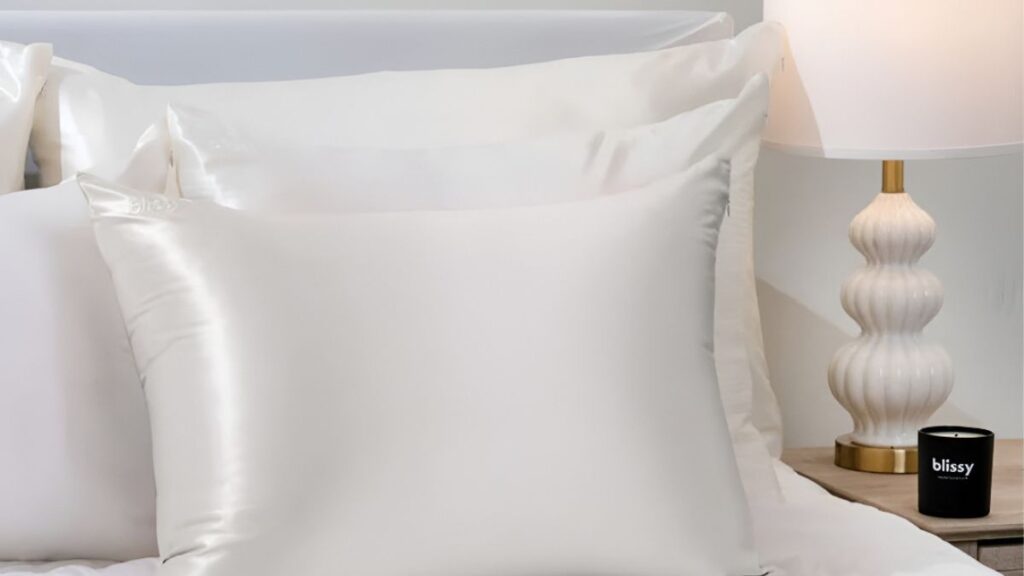
If you are struggling with acne, the fabric of your pillowcase matters. Dermatologists unanimously agree that silk or satin pillowcases are superior to cotton for acne-prone skin. The reasoning behind this is highly scientific. Silk possesses an exceptionally smooth surface, which significantly reduces friction against the skin; unlike the rough texture of cotton, the skin glides effortlessly over silk, preventing the irritation often caused by rubbing. Furthermore, silk is not as highly absorbent as cotton—this means that your nightly skincare products remain on your skin rather than being absorbed by the pillowcase. Dermatologist Dr. Anna Chacon notes that silk pillowcases absorb less moisture and dirt, making them a superior choice for individuals with oily or acne-prone skin. However, one crucial point to remember is that silk pillowcases do get dirty and require regular washing—they simply need to be washed in cold water using a mild detergent. This is not an option for the lazy; rather, it is an integral part of smart skincare.

Pre-Sleep Cleansing: The Most Essential Habit
In addition to keeping your pillowcase clean, dermatologists offer another indispensable piece of advice: thoroughly cleanse your face before going to bed at night. Sleeping with makeup on is an extremely common habit, yet it is highly detrimental to the skin. Foundation, kohl (kajal), and lipstick—all of these products clog pores overnight, creating an environment where bacteria can thrive. But it is not just about makeup; if you have applied a heavy sunscreen, a rich moisturizer, or any other product during the day and fail to remove it properly at night, those residues will also transfer to your pillowcase and contribute to acne breakouts. Be sure to apply a good cleanser—whether it’s micellar water, an oil cleanser, or a foam wash—to your face before going to bed. This habit is just as important as keeping your pillow clean; in fact, the two together form a powerful duo that works most effectively in the fight against acne.
Conclusion: Small Habits, Big Impact
In skincare, we often focus on expensive serums, trendy creams, and complex routines—yet sometimes, the simplest and most affordable measures yield the greatest results. The American Academy of Dermatology, along with dermatologists worldwide, unanimously agrees that a clean pillowcase is a powerful weapon in the battle against acne. Changing your pillowcase weekly, washing it with a fragrance-free detergent, opting for silk or satin fabrics, cleansing your face before bed, and wearing a bonnet when using heavy hair products—these five habits can provide your skin with nighttime protection that may prove more effective than any cream or medication. Remember: your skin heals and repairs itself at night. Give it the opportunity to do so on a clean, smooth surface—rather than on a pillow teeming with bacteria and oil.
FAQs
Q. Can a dirty pillowcase really cause acne?
A. Yes. Unwashed pillowcases accumulate sebum, sweat, dead skin cells, and bacteria — particularly Cutibacterium acnes — which transfer back onto your face overnight and clog pores, triggering breakouts.
Q. How often should I change my pillowcase to prevent acne?
A. Dermatologists recommend changing your pillowcase at least once a week. If you have oily or acne-prone skin, changing it every 2 to 3 days is ideal for better skin health.
Q. Are silk pillowcases actually better for acne-prone skin?
A. Yes. Silk pillowcases create significantly less friction against the skin, absorb less oil and skincare product, and are less likely to harbour bacteria compared to cotton — making them a dermatologist-recommended choice for acne-prone skin.
Q. What type of detergent should I use to wash my pillowcase?
A. Always use a fragrance-free, hypoallergenic detergent in warm water. Fragrances and dyes in regular detergents can remain on the fabric and cause contact dermatitis, which can worsen or mimic acne.
Q. Can hair products on my pillow cause facial breakouts?
A. Absolutely. Oils, pomades, and sprays from your hair transfer onto the pillowcase and then onto your face, clogging pores. Dermatologists suggest wearing a silk bonnet or hair wrap to bed if you use heavy hair products regularly.