

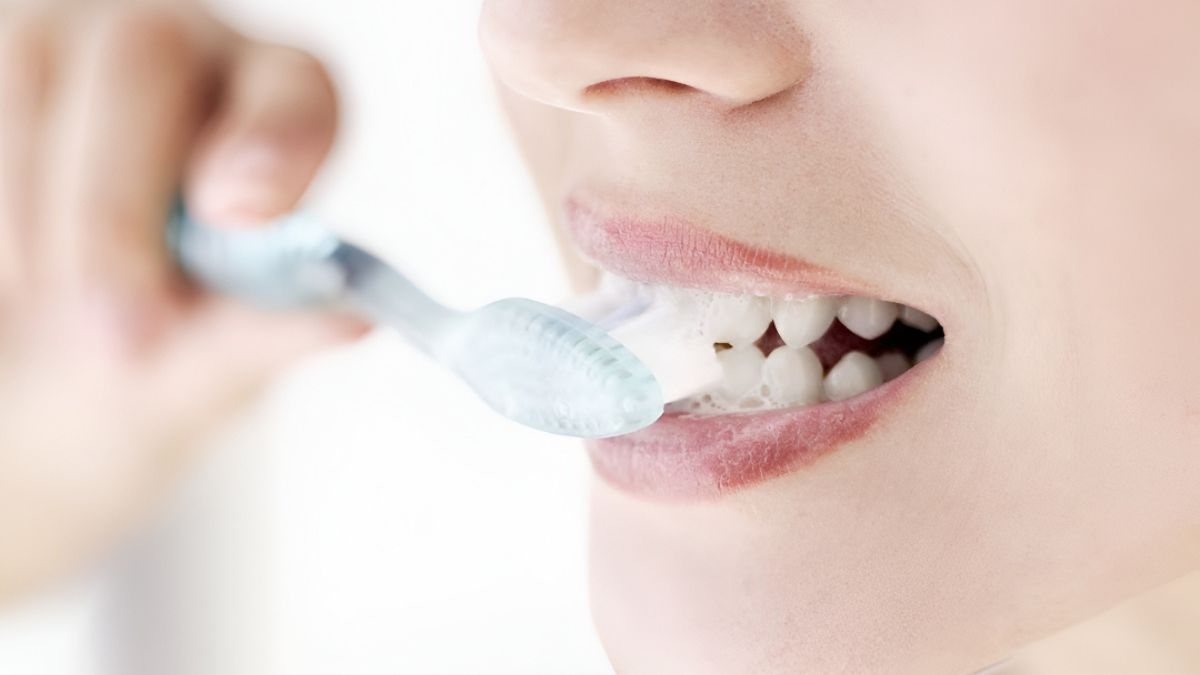
In today’s times, we have become more conscious of our oral hygiene than ever before. Brushing twice a day, maintaining fresh breath, and using various types of toothpaste to keep our teeth white have become an integral part of our daily routine. However, amidst these everyday habits, a startling truth has emerged—one that may come as a shock to you. According to dentists and dermatology experts, a common chemical found in many popular toothpastes is gradually damaging both our skin and our mouths, yet most people remain completely unaware of this fact. This issue is particularly prevalent among individuals with sensitive skin or those who frequently suffer from rashes and dryness around the mouth.
What is Sodium Lauryl Sulfate, and Why Is It Used?
The name of this chemical is sodium lauryl sulfate, commonly referred to as SLS. It acts as a surfactant and detergent, and its primary function in toothpaste is to create foam. When we brush and a generous amount of foam is generated, we tend to assume that our toothpaste is cleaning more effectively. In reality, however, this merely provides a sense of psychological satisfaction. While it is true that SLS serves to remove dirt and debris, it simultaneously has the potential to compromise the natural protective barrier of the skin and mouth—a process that can lead to a host of problems over the long term.
The Impact of SLS on the Skin: Gradual Damage
Dermatologists contend that sodium lauryl sulfate is a potent irritant that strips the skin of its natural oils. When these natural oils are depleted, the skin becomes dry, lackluster, and hypersensitive. The effects are particularly pronounced on the skin surrounding the mouth, as this area is inherently more delicate.
The continued use of toothpastes containing SLS can trigger symptoms such as skin dryness, redness, irritation, and the appearance of small bumps or rashes. In some cases, this issue can escalate into a more severe condition known as perioral dermatitis, characterized by persistent rashes and inflammation around the mouth that take a long time to heal.
Impact on the Inside of the Mouth
The effects of SLS are not limited to the external skin; they can also cause damage inside the mouth. The interior of our mouth is lined with a mucin layer, which acts as a protective shield. This layer safeguards the oral tissues and provides defense against bacteria.
However, sodium lauryl sulfate weakens this layer, potentially leading to increased irritation, blisters, and recurring canker sores inside the mouth. Many people fail to understand why they suffer from frequent mouth sores, unaware that the culprit may be this very chemical present in their toothpaste.
Who Needs to Be Extra Cautious?
While the effects of SLS vary from person to person, it can cause damage much more rapidly in certain individuals. For those with pre-existing sensitive skin, conditions like eczema, or a history of perioral dermatitis, SLS can be particularly harmful. Such individuals should exercise great care and discretion when selecting their skincare and oral care products.
Other Harmful Ingredients in Toothpaste
Apart from SLS, several other ingredients can have a negative impact on our skin and overall health. For instance, mint and cinnamon flavors—commonly used to provide a sense of freshness—can often trigger allergies and skin irritation. Similarly, Triclosan—an antibacterial chemical found in some toothpastes—is believed to be linked to both skin irritation and hormonal imbalances. Experts have also raised concerns regarding the potential health risks associated with titanium dioxide, an ingredient used to give toothpaste its white color.
How to Identify if Your Toothpaste is Causing Harm? If you frequently experience dryness, rashes, irritation, or small bumps around your mouth, it could be a sign that your toothpaste is not right for you. Furthermore, if you suffer from recurring mouth ulcers, this, too, may be attributed to SLS. It is unwise to ignore such symptoms, as these issues can worsen over time.

Expert Advice and the Right Alternatives
Dentists and dermatologists recommend that if you are experiencing these types of issues, you should switch to an SLS-free toothpaste. Additionally, you may opt for fluoride-free toothpastes or those with mild flavors. Today, the market offers numerous options that generate less foam yet provide effective cleaning without causing harm to the skin.
Most importantly, it is crucial to pay attention to your body’s signals and select your products accordingly.
Conclusion: A Small Habit, a Big Impact
We often assume that the products we use daily are entirely safe; however, these very products can sometimes cause gradual, cumulative harm. Sodium lauryl sulfate is a prime example of this; commonly found in toothpaste, it can prove detrimental to both the skin and the oral cavity.
If you wish to improve your skin health and oral hygiene, making small adjustments—such as choosing the right toothpaste—can make a significant difference. Awareness is the ultimate solution, and with the right information, you can take better control of your health.
FAQs
Q. What is Sodium Lauryl Sulfate (SLS)?
A. SLS is a foaming agent commonly used in toothpaste and other personal care products.
Q. How does SLS affect the skin?
A. It can strip natural oils, causing dryness, irritation, and rashes around the mouth.
Q. Can SLS cause mouth problems?
A. Yes, it may lead to mouth ulcers, irritation, and canker sores.
Q. Who should avoid SLS toothpaste?
A. People with sensitive skin, eczema, or perioral dermatitis should avoid it.
Q. What is a safer alternative?
A. Using SLS-free and mild-flavor toothpaste is considered a safer option.